
How to Pay Yourself as a Limited Company Director in the UK

One of the most common questions new limited company directors ask is how to actually get money out of their company. The answer matters because doing it wrong costs you significantly more tax than doing it right.
CIS vs Self Assessment: What Is the Difference?
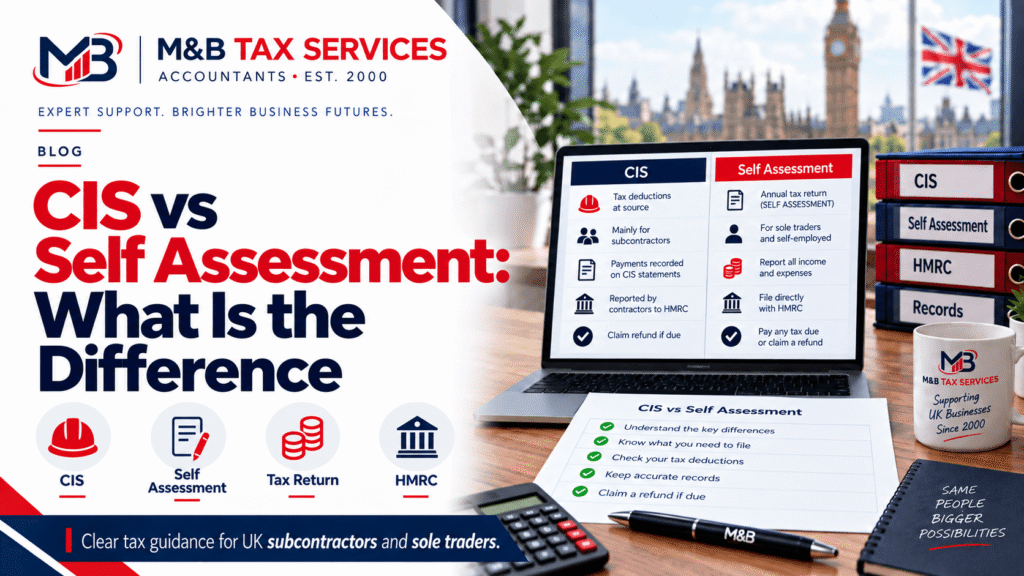
If you work in construction as a subcontractor, you have probably heard both terms. CIS and Self Assessment are two separate systems, but they are connected.
How to Claim a CIS Tax Refund in the UK
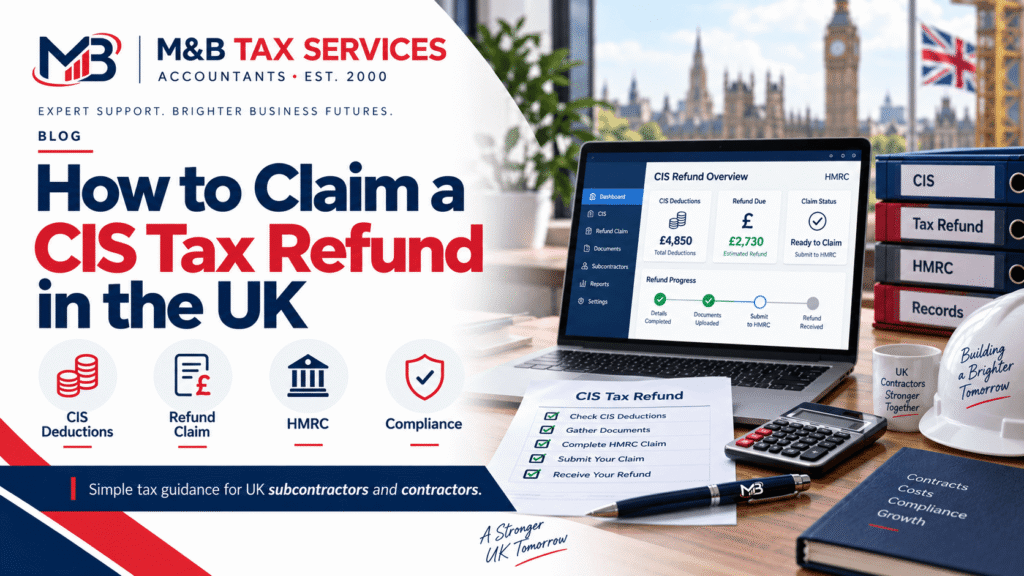
If you work as a subcontractor under the Construction Industry Scheme, your contractor deducts either 20% or 30% from your labour payments before you receive them. These deductions are not a final tax. They are payments on account toward your…
How Much Tax Do Landlords Pay on Rental Income in the UK?

If you receive rental income in the UK, you are required to pay Income Tax on your profit. How much you pay depends on your total income, your allowable expenses, and whether Section 24 affects your mortgage interest relief. This…
Sole Trader vs Limited Company in the UK: Which Is Better?

It is one of the first decisions every new business owner in the UK faces. Should you register as a sole trader, or set up a limited company?
3 Warning Signs Your Redditch Business Is on the Wrong VAT Scheme
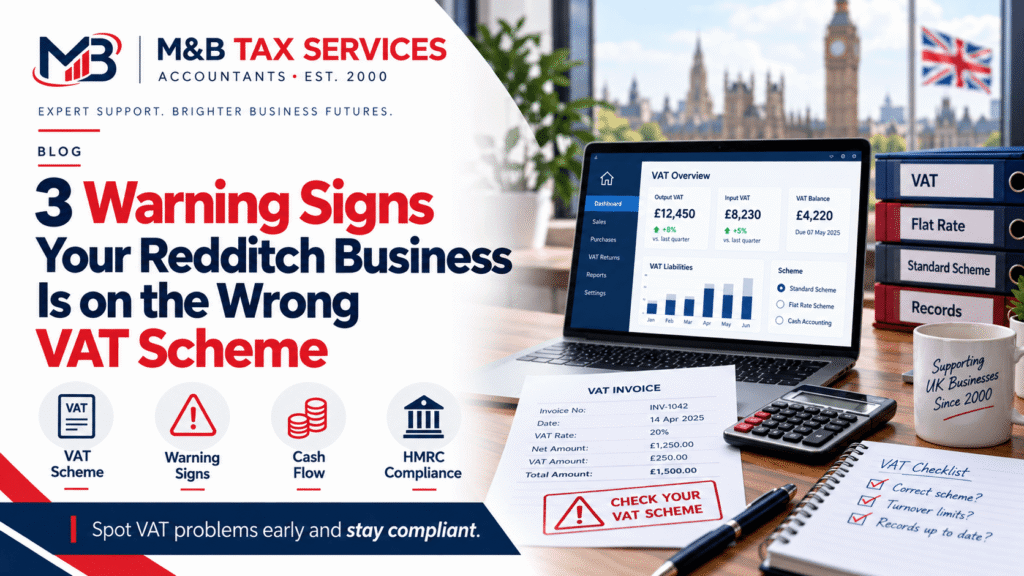
Most businesses in Redditch choose a VAT scheme when they first register and never revisit it. That is a costly mistake.
How Does PAYE Work for Small Businesses in the UK?
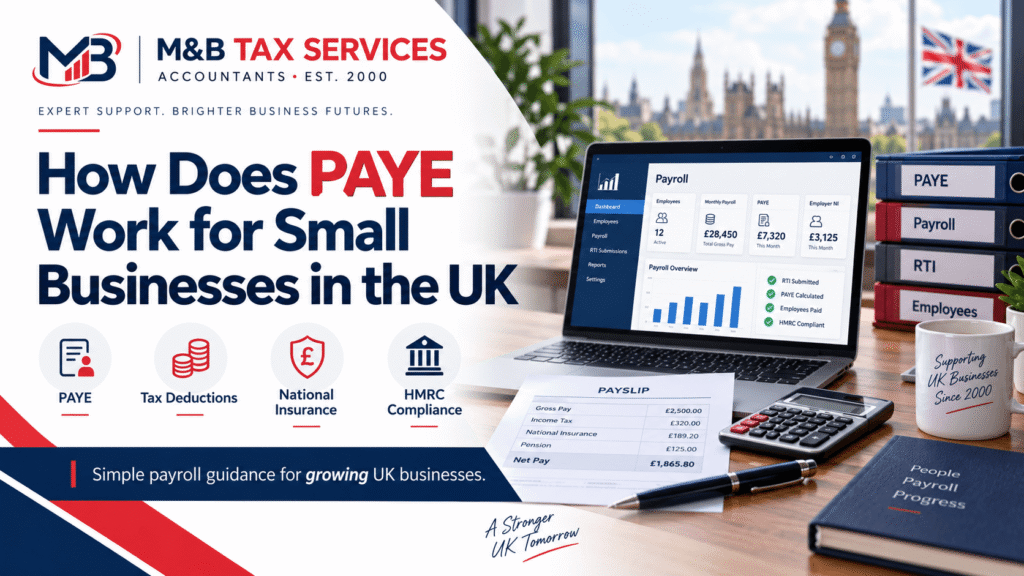
PAYE stands for Pay As You Earn. It is the system HMRC uses to collect Income Tax and National Insurance contributions directly from employee wages. As a small business owner, if you pay yourself or anyone else a salary,
What is CIS Tax and How Does It Work in the UK?
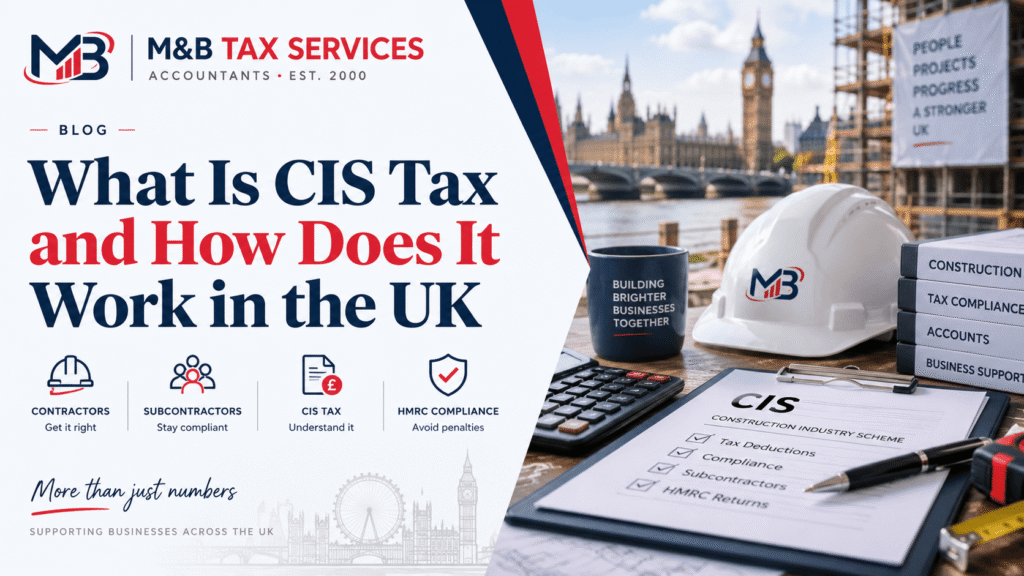
CIS stands for the Construction Industry Scheme. It is a HMRC tax scheme that requires contractors to deduct money from subcontractor payments and send those deductions directly to HMRC. The deductions count as advance payments toward the subcontractor’s tax and…